
Contributors to Equine Stress
While many horses benefit from calming supplements, sometimes addressing the other causes of your horse’s anxiety may change his anxious or irritable behavior.
When designing a management program for your anxious horse, ensure that you investigate these 3 potential contributors to stress:
GASTRIC TENSION
Gastric upset, including ulcers, is a common yet often overlooked contributor to equine anxiety, as discomfort in the stomach can manifest as behavioral changes such as restlessness, irritability, or reluctance to perform.
Horses with gastric ulcers may exhibit heightened sensitivity to stimuli, leading to exaggerated reactions during training or competitions, which can be mistaken for inherent nervousness rather than a response to internal pain.
By alleviating this digestive distress, horses often regain a calmer demeanor, improving their overall well-being and responsiveness.
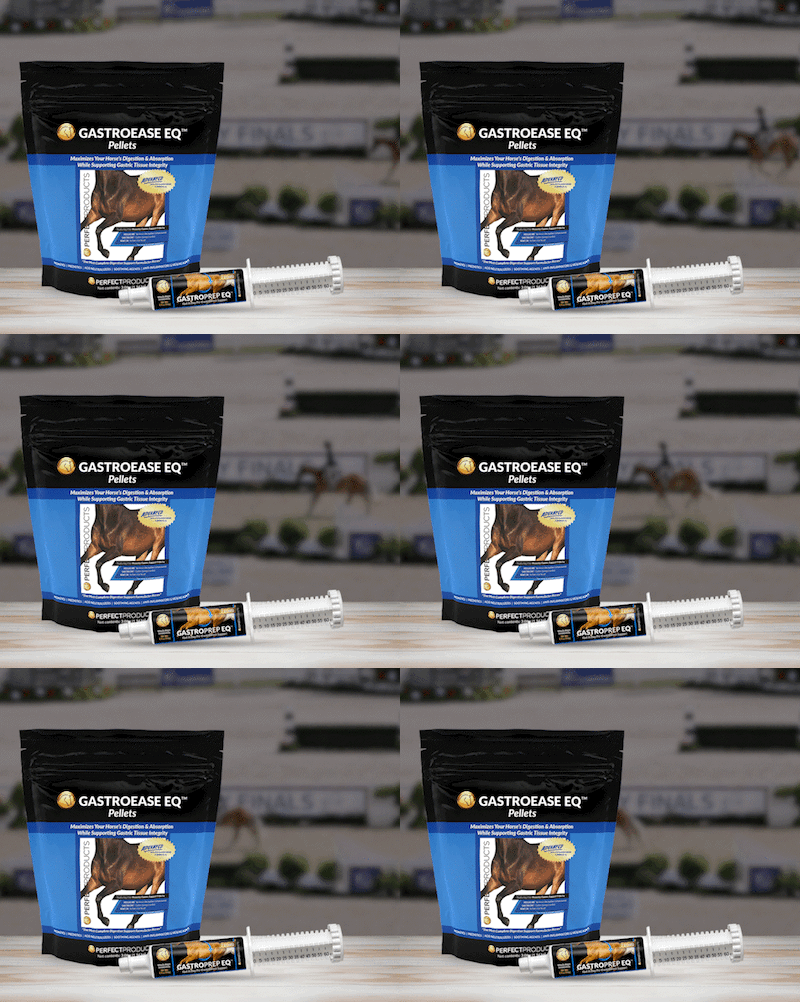
Solutions for Gastric Upset

"My horse goes off her feed easily at shows, making it hard to keep weight on and leaving her quite cranky. I tried GastroPrep paste…GAME CHANGER! For the first time in two years, she ate every bit of every meal throughout the show! She stayed happy, no pinned ears during grooming, and maintained her weight during a hot, busy show weekend! GastroPrep will definitely be in my show kit from now on!" -Ellen M.
DISCOMFORT
Aches and pains can make any horse irritable. Chronic or acute pain from conditions like joint inflammation, injuries, or overuse can amplify a horse's stress response, causing them to become more reactive, withdrawn, or resistant to cues as a protective mechanism.
This heightened state of discomfort not only exacerbates anxiety but can also lead to a cycle of poor performance and increased tension during interactions with handlers or in competitive environments.
Solutions for Discomfort
The FlexSyn suppository is amazing!
I decided to try it for my 20 y/o warmblood before our recent dressage show, as he has some aches and pains as part of his age. He felt so much looser and freer through his body, and our warmup was made infinitely smoother (and shorter). He performed beautifully, as if he was at least 5 years younger. It was easy to give him, as he can be a bit difficult about oral pastes.
I also decided to give him a second suppository for the second day of the show as I was curious to see if it would make a noticeable difference, and he somehow felt even better the next day on the second dose. I will definitely be using FlexSyn for him from now on for our shows! - AJ
MUSCLE SORENESS
Tight muscles and back soreness can significantly contribute to equine anxiety by limiting mobility and causing persistent discomfort that horses associate with movement or activity.
This physical strain often results in behavioral signs such as tail swishing, pinning ears, or evasion tactics during riding, as the horse anticipates pain and becomes increasingly tense or unpredictable.
Addressing muscle soreness helps restore suppleness and confidence, reducing the anxiety tied to physical limitations and promoting a more relaxed and willing equine partner.
Solutions for Muscle Soreness
My Grand Prix Mare is very tight and will hold herself in her back after hard work outs, so I decided to try the 30 cc the night before and the 30 cc 3-4 hours out and i TRULY TRULY felt the difference. I did use this in conjunction with the FlexSyn !!! Both Lars and I are hooked and recommending it to our clients ! - Melissa T.